
Decoding Google’s Algorithm Predictability: A 2026 SEO Strategy
Google algorithm updates are a constant, often unsettling, feature of the SEO landscape.
 Christina Blair
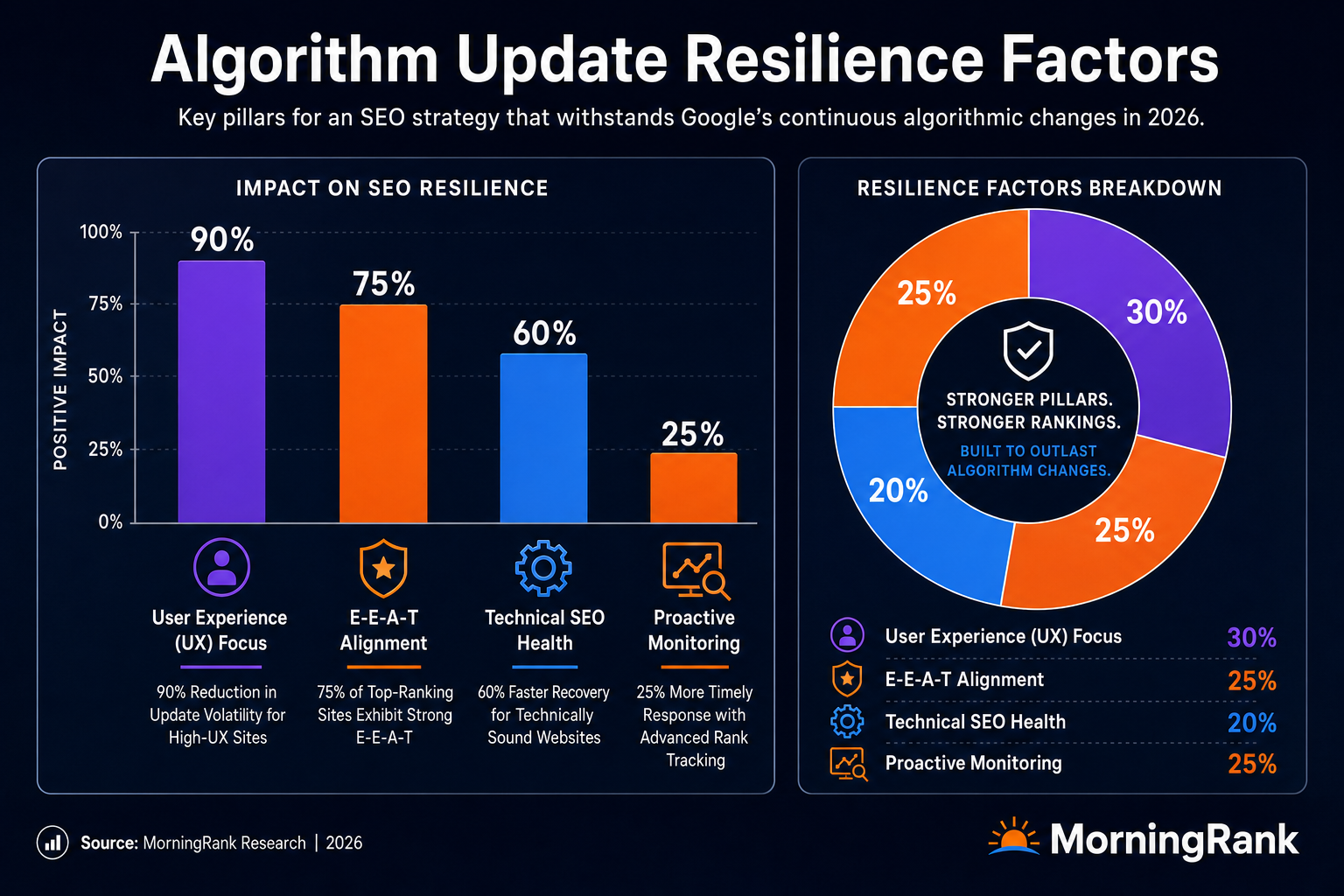
“In my experience, 90% of sites that consistently prioritize user experience and E-E-A-T see a significant reduction in negative impact from major Google algorithm updates.”
Google algorithm updates are a constant, often unsettling, feature of the SEO landscape. While complete predictability is impossible, recognizing recurring patterns and understanding Google’s stated objectives enables agencies and businesses to develop a more resilient and future-proof SEO strategy in 2026.
Key Takeaways
- Google algorithms are not entirely random, often following cycles and focusing on user experience, E-E-A-T, and content quality.
- Agencies should shift from reactive "fix-it" mode to proactive, foundational SEO practices that align with Google’s long-term goals.
- Monitoring SERP volatility, Google Search Central announcements, and industry analysis can offer insights into potential update themes.
- Investing in technical SEO, robust content strategies, and diverse backlink profiles builds resilience against algorithmic shifts.
- Utilizing advanced tracking tools helps identify the impact of updates quickly and inform adaptation strategies.
As a Local Search Specialist, I've witnessed countless Google algorithm updates reshape the search landscape. The perception of these updates as entirely unpredictable forces can be daunting for agencies and local businesses alike. However, in my experience, a deeper dive reveals that while specific rollout dates and immediate impacts are often a surprise, the underlying themes and long-term directions of Google's algorithms are surprisingly consistent. This consistency allows for a more predictable and proactive SEO approach in 2026, moving beyond mere reaction to building genuinely resilient search visibility.
 Google algorithm predictability infographic" loading="lazy" style="width:100%;border-radius:12px;" />
Are Google Algorithm Updates Truly Unpredictable?
Google algorithm updates are broad modifications to Google's ranking systems, designed to improve search relevance and quality for users. While Google rarely announces minor adjustments, significant updates, like core updatesare often confirmed, though specific details remain sparse. This lack of detail can make them seem unpredictable, but their overarching goals generally align with Google's mission to provide the most helpful and reliable information. In fact, many updates reinforce existing guidelines around quality and user experience.
What Drives Google’s Algorithmic Changes?
Google's core purpose is to deliver the most relevant, high-quality results to its users. Therefore, algorithmic changes are consistently driven by this objective. Key factors include:
- User Experience (UX): This encompasses site speed, mobile-friendliness, interactivity, and overall ease of navigation. Updates like the Core Web Vitals prioritize sites that offer a superior user journey.
- E-E-A-T (Experience, Expertise, Authoritativeness, and Trustworthiness): This framework, outlined in Google's Quality Rater Guidelines, is central to how Google assesses content quality. Sites that demonstrate strong E-E-A-T tend to perform better and are less susceptible to negative impacts from updates. You can learn more about navigating these crucial guidelines in our post Navigating Google's Quality Rater Guidelines Updates for 2026.
- Content Quality and Relevance: Algorithms constantly evolve to better understand user intent and match it with the most accurate, comprehensive, and valuable content available. This includes penalizing spam and low-quality content.
- Combating Spam and Manipulation: Google continuously refines its algorithms to detect and penalize spammy tactics, low-quality links, and manipulative SEO practices. This commitment to a cleaner web is a constant, albeit evolving, algorithmic theme.
How Can Agencies Anticipate Google’s Next Move in 2026?
While predicting the exact timing or impact of every Google algorithm change is impossible, agencies can develop a predictive framework by observing patterns and understanding Google’s stated intentions. A key strategy is to listen to Google. The company’s public statements, blog posts on Google Search Central, and patent filings often hint at future directions. For instance, Google has consistently emphasized E-E-A-T and user experience for years, making investments in these areas a relatively safe bet for long-term SEO success.
What Role Does SERP Volatility Play?
Sudden, unexplained spikes in Search Engine Results Page (SERP) volatility can often be an early indicator of an unconfirmed update or a broad, ongoing algorithmic adjustment. Monitoring tools that track daily ranking fluctuations across a wide range of keywords can alert you to these shifts before official announcements are made. Observing these patterns allows agencies to prepare their clients for potential impacts and begin preliminary investigations into affected ranking factors. In my experience, a sudden increase in volatility often signals that Google is testing or deploying changes, even if no public statement follows. Our AI-powered keyword rank tracking tool can help agencies monitor these crucial shifts.
Where Do Google’s Public Statements Point?
Google Search Central (formerly Google Webmaster Central) is the official source for Google's recommendations and announcements. Regularly reviewing their blog posts, guidelines, and Webmaster Hangouts provides invaluable insight into what Google values and what aspects of websites they are focusing on. For example, recent years have seen increased emphasis on AI-generated content guidelines and the integration of AI Overviews, indicating a clear direction for content creators. According to Google's own statements, "Our automated ranking systems are designed to present helpful, reliable information from pages across the web" (Source: Google Search Central).

What Foundational SEO Strategies Ensure Resilience?
Building a robust, resilient SEO strategy involves focusing on enduring principles rather than chasing fleeting algorithmic tweaks. This proactive approach helps websites withstand the impact of updates and often positions them to benefit from changes that reward quality. In my experience, the sites that consistently perform well are those that prioritize the user above all else, aligning perfectly with Google’s long-term goals.
Why is Technical SEO Critical for Algorithm Adaptability?
Technical SEO forms the bedrock of a healthy website that search engines can easily crawl, index, and understand. A technically sound site is more likely to recover quickly from updates or even see improvements, as Google favors sites that are accessible and perform well. This includes optimizing for site speed, ensuring mobile-friendliness, managing crawl budgets effectively, and implementing proper schema markup. Investing in an automated technical SEO audit tool can help identify and fix critical issues proactively, preventing potential algorithmic penalties related to site health.
How Does Content Quality Influence Algorithm Outcomes?
High-quality, authoritative, and user-centric content remains paramount. Google’s algorithms are constantly improving at discerning helpful, original content from thin, duplicated, or AI-generated spam. Prioritize creating content that genuinely answers user queries, demonstrates E-E-A-T, and offers a unique perspective. This includes long-form guides, comprehensive resource pages, and expert opinions. Content that anticipates user needs and provides thorough answers will always be favored by search engines. This is especially true with the rise of AI Overviews, which extract information directly from well-structured content.
What About Off-Page SEO and Link Building?
A diverse and authoritative backlink profile signals trust and authority to Google. While manipulative link-building schemes are risky and often penalized, earning high-quality, natural backlinks from reputable sources remains a powerful ranking factor. Focus on building relationships, creating shareable content, and securing editorial links that genuinely enhance your site’s authority. A robust off-page strategy diversifies your SEO portfolio, making it less vulnerable to changes focused solely on on-page factors.
How Can Agencies Track and Respond to Algorithm Shifts?
Even with proactive strategies, Google algorithm shifts can still cause unexpected ranking fluctuations. The key is to track performance meticulously and respond strategically, rather than react impulsively. Quick identification of impacts and a data-driven approach to adjustments are crucial for maintaining client performance in 2026.
What are the Best Tools for Monitoring Ranking Fluctuations?
Advanced rank tracking tools are indispensable for detecting the immediate aftermath of an update. They allow agencies to monitor daily keyword positions, track local pack rankings, and observe overall visibility trends. Look for tools that offer granular data, historical performance comparisons, and geographic segmentation. In my experience, prompt and precise rank tracking, like that offered by MorningRank, is the first step in understanding an update’s true impact. You can leverage our local SEO rank tracking by city and location to pinpoint hyper-local impacts.
When Should You Adjust Your SEO Strategy Post-Update?
Resist the urge to make immediate, sweeping changes after an update. First, confirm if your site was genuinely impacted, or if the fluctuations are normal SERP volatility. Analyze which pages or keyword clusters were affected and look for common themes. Did pages with low E-E-A-T suffer? Were pages with poor mobile experience hit? Once you identify potential patterns, develop a data-driven action plan. Implement changes systematically, track the results, and refine your approach based on observed outcomes, not speculation. Remember, the goal is long-term stability, not short-term recovery hacks.
In 2026, the SEO landscape continues to evolve at a rapid pace, yet the underlying principles of Google’s algorithms remain remarkably consistent. By focusing on predictability in terms of Google’s core objectives (user experience, E-E-A-T, content quality, and fighting spam) and employing foundational SEO best practices, agencies and local businesses can build truly resilient online presences. Proactive monitoring and data-driven responses are not just good practices, they are essential for navigating the continuous stream of Google algorithm updates and ensuring sustained success for your clients.
Related reading: Mastering Google Algorithm Shocks: A Proactive SEO Strategy for 2026.
Frequently Asked Questions
What makes Google algorithm updates seem unpredictable?
Google algorithm updates often seem unpredictable because Google rarely provides extensive details about the changes, focusing instead on broad goals like improving search quality. This lack of specific information makes it challenging for SEOs to anticipate the exact impact or timing of every update.
How frequently does Google release algorithm updates?
Google makes thousands of small updates annually, many of which are minor and go unnoticed. However, it also rolls out several significant "core updates" each year, which can have a more noticeable impact on search rankings and are often confirmed publicly by Google.
What is E-E-A-T and why is it important for Google algorithm predictability?
E-E-A-T stands for Experience, Expertise, Authoritativeness, and Trustworthiness. It is a framework Google uses to evaluate content quality. Websites that consistently demonstrate strong E-E-A-T are generally more resilient to algorithm updates because these updates frequently aim to reward high-quality, trustworthy content.
Should I panic and make drastic changes after a Google update?
No, panicking and making drastic changes is generally not recommended. It is crucial to first confirm if your site was truly impacted by an update, analyze which aspects were affected, and then implement data-driven, strategic adjustments based on Google's stated guidelines and long-term objectives.
How can MorningRank help me adapt to Google algorithm changes?
MorningRank offers advanced tools like AI-powered keyword rank tracking, SERP feature tracking, and automated SEO audits that help agencies and businesses monitor ranking fluctuations, identify update impacts quickly, and inform strategic adaptations to Google algorithm changes. These tools provide the data necessary for proactive and responsive SEO.
Want this kind of insight every week?
MorningRank delivers daily rank tracking, AI SEO recommendations, and white label client reporting.