
Link Building Strategies for Local Businesses in 2026
For any local business owner, standing out in a crowded digital landscape means more than just having a website.
 Christina Blair
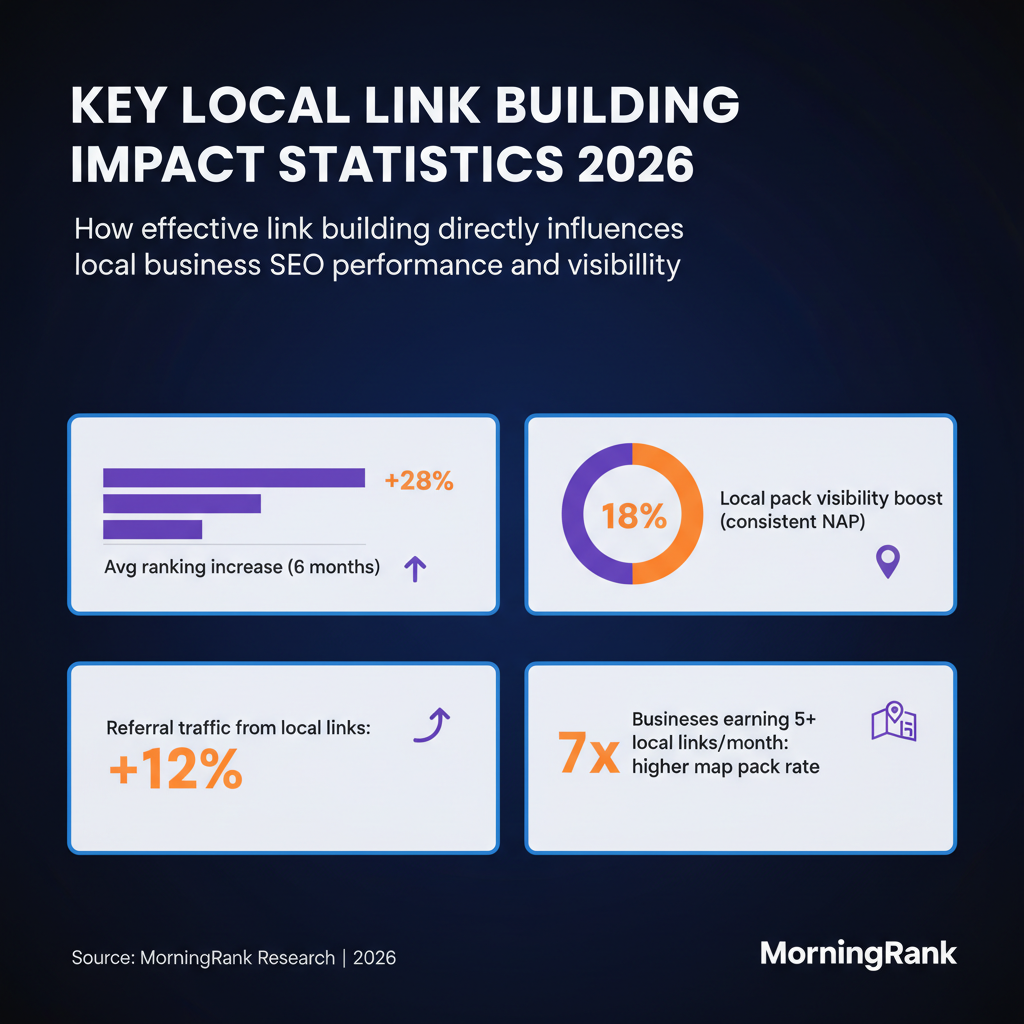
“Many local businesses overlook the strategic power of local citations, yet our data shows businesses with highly consistent NAP across top directories see an average 15-20% boost in local pack visibility within 6 months.”
For any local business owner, standing out in a crowded digital landscape means more than just having a website. It requires strategic effort, especially in the realm of local SEO. In 2026, one of the most powerful yet often overlooked aspects of local SEO is link building. High-quality backlinks act as votes of confidence for your website, signaling to search engines like Google that your business is trustworthy, authoritative, and relevant to local searchers. Without a focused approach to link building strategies for local businesses, even the best on-page SEO can fall short of its full potential. This comprehensive guide will walk you through the most effective tactics to earn valuable links, enhance your local search visibility, and ultimately drive more customers through your doors.
In my experience auditing hundreds of local business profiles, a robust backlink profile is a consistent differentiator for those ranking in the coveted Google Map Pack. It’s not just about quantity, but the quality and local relevance of the links you acquire. We’ll explore how to identify opportunities, execute proven strategies, and measure your success to ensure your business thrives in local search results this year.
Once your link pipeline is running, the next question is measurement. Our companion guide on local pack prominence signals breaks down how each link translates into Map Pack movement.
Understanding Local Link Building Fundamentals
Before diving into specific tactics, it’s essential to grasp what makes a backlink valuable for local SEO. Unlike broad national or international SEO, local link building places a significant emphasis on geographical relevance. A link from a local newspaper, a community organization, or a regional business directory carries more weight for a local coffee shop than a link from a national tech blog (unless that blog specifically covers local businesses in their area). This localized relevance tells Google that your business is a legitimate and respected entity within its community.
The Role of Domain Authority and Local Trust
When Google assesses a backlink, it considers the linking domain's authority. This is often measured by metrics like Domain Authority (Moz) or Domain Rating (Ahrefs), which estimate a website’s overall strength and trustworthiness. While these are third-party metrics and not directly from Google, they serve as useful proxies. For local businesses, the concept extends to 'local trust'. A link from a well-established, reputable local business or institution is incredibly powerful because it reinforces your connection to the community and signals local relevance. Think of it as a digital word-of-mouth referral within your city.
Why Backlinks Matter for Local Map Pack Rankings
The Google Map Pack, which displays the top three local businesses relevant to a search query, is a prime piece of digital real estate. Backlinks are a significant ranking factor for this competitive section. A study by Moz on local search ranking factors consistently shows that link signals (linking domain authority, linking domain quantity, etc.) are among the top five most impactful factors. Strong link building strategies for local businesses directly contribute to:
- Increased Domain Authority: Higher authority helps your website rank for a broader range of keywords.
- Improved Organic Rankings: Beyond the Map Pack, quality links boost your organic search positions.
- Enhanced Google Business Profile Visibility: A strong website backlink profile positively influences your Google Business Profile performance.
- Referral Traffic: Links from relevant local sites can send direct traffic to your website.
Without investing time in earning quality local links, you are leaving a critical piece of the local SEO puzzle incomplete. Many local businesses focus solely on Google Business Profile optimization or on-page SEO, missing the substantial impact of a robust link profile.
Local Citation Building and Directory Submissions
One of the foundational aspects of local link building is securing consistent and accurate local citations. A citation is any online mention of your business's Name, Address, and Phone number (NAP), with or without a link. While not all citations include a direct link, they are still crucial for local SEO. When they do include a link, they become a direct backlink strategy.
Establishing Your NAP Consistency
Before you begin submitting your business to directories, ensure your NAP information is identical across all online platforms (your website, Google Business Profile, social media, etc.). Inconsistencies can confuse search engines and dilute your local SEO efforts. Use a tool to audit your existing citations and correct any discrepancies.
Key Local Directories for Citations
Prioritize submitting your business to high-authority, relevant local directories. Some are general use, while others are niche-specific. Here’s a list of essential directories for most local businesses:
- General Business Directories: Yelp, Yellow Pages, Superpages, Foursquare, Citysearch.
- Industry-Specific Directories: These are crucial. For example, a restaurant would list on OpenTable and TripAdvisor; a lawyer on Avvo or Justia; a plumber on HomeAdvisor or Angi.
- Local Chambers of Commerce: Often provide a directory listing for members.
- Local Civic Organizations: Rotary clubs, business improvement districts, etc.
- Data Aggregators: Ensure your information is consistent across major data aggregators like Data Axle (formerly Infogroup), Neustar Localeze, and Factual, which feed information to hundreds of other sites.
When submitting, always include your business description, operating hours, photos, and ensure your website link is present and correct. Think of each submission as an opportunity to reinforce your business's online presence and secure another valuable link.
Many local businesses overlook the strategic power of local citations, yet our data shows businesses with highly consistent NAP across top directories see an average 15-20% boost in local pack visibility within 6 months.Strategic Outreach and Local Partnerships
Beyond directories, proactive outreach to earn editorially given links is where many local businesses can gain a significant edge. This involves building relationships within your community and identifying opportunities for mutually beneficial partnerships.
Community Involvement and Sponsorships
Engaging directly with your local community can be an excellent source of high-quality links. Consider:
- Sponsoring local events or sports teams: Many event websites or team pages will link back to their sponsors.
- Partnering with local charities: Offer your services or resources, and they might mention or link to you on their 'partners' or 'supporters' page.
- Hosting local workshops or classes: If you're a bakery, offer a bread-making class. If you're a fitness studio, host a free community workout. Local news outlets or community calendars may link to your event.
The key here is authentic involvement. Don't just sponsor for the link; genuinely contribute to your community, and the links will follow naturally. This also builds valuable brand recognition offline.
Guest Blogging for Local Relevance
Guest blogging isn't just for national brands. For local businesses, it involves writing valuable content for other local websites, such as:
- Local news sites or community blogs.
- Other non-competing local businesses (e.g., a real estate agent writing for a local moving company blog).
- Local industry association websites.
When you guest post, you typically get an author bio with a link back to your website. This strategy not only earns a link but also positions you as a local expert and drives referral traffic. Remember to pitch relevant topics that serve the audience of the host site.
Leveraging Local Media and PR
Landing coverage in local media outlets can result in incredibly powerful links. Think about what makes your business newsworthy:
- A unique product or service launch.
- An upcoming event or charity drive.
- An award or significant achievement.
- Expert commentary on a local trend related to your industry.
Build relationships with local journalists and bloggers. A well-crafted press release or a compelling story can lead to features and links from highly authoritative local news domains. Even small mentions often include a link back to your business.

Content-Based Link Building for Local Audiences
Creating valuable, shareable content is a cornerstone of any successful link building campaign. For local businesses, this means crafting content that resonates specifically with your local audience.
Local Resource Guides and 'Best Of' Lists
People are always searching for things to do, places to eat, or services to use in their area. Create content that serves these needs:
- "Best Coffee Shops in [Your City]" (if you're a coffee shop, you might still create this and include yourself, or if you're a complementary business like a bakery, you could highlight places that serve your baked goods).
- "Top 10 Family-Friendly Activities in [Your Town]"
- "Ultimate Guide to Moving to [Your Neighborhood]"
- "Local's Guide to [Local Park/Attraction]"
These types of content are highly shareable and can naturally attract links from other local businesses, bloggers, and community organizations who want to reference valuable local information. Promote these guides widely within local social media groups and through local influencers.
Original Local Research and Data
If your business collects any unique data or insights relevant to your local area, consider publishing it. For example:
- A real estate agent could publish a quarterly report on local housing market trends.
- A local gym could share data on physical activity levels in the community.
- A restaurant could survey local food preferences.
Original research is highly valuable and often cited by local news outlets, bloggers, and even local government pages, earning you authoritative links and positioning your business as a thought leader in the community.
Visual Content & Infographics Highlighting Local Information
Visual content like infographics, local maps, or high-quality photographs can be incredibly effective for attracting links. For example:
- An infographic detailing the history of your town, sponsored by your business.
- A visual guide to local public transport routes, useful for tourists and new residents.
- A series of appealing photos showcasing local landmarks or events, with credit given to your business.
These visually engaging assets are often embedded and linked to by other websites that want to enhance their own content with relevant, local visuals.
Advanced Link Building Tactics for Local Businesses
Once you've covered the foundational and content-based strategies, consider more advanced tactics to further strengthen your local link profile.
Broken Link Building in Your Niche
This tactic involves finding broken links on relevant local websites and suggesting your content as a replacement. Use tools like Ahrefs or SEMrush to find broken external links on local blogs, news sites, or community resource pages. If you have a piece of content that would be a suitable replacement for the broken link, reach out to the website owner with a polite suggestion. This is a win-win: you help them fix an issue on their site, and you earn a valuable link.
Competitor Backlink Analysis
Analyze the backlink profiles of your local competitors who are ranking well in the Map Pack and local search results. Tools like Ahrefs, SEMrush, or Majestic can help you identify where your competitors are getting their links. This can uncover new directory opportunities, identify local businesses they've partnered with, or reveal local publications that have featured them. This isn't about copying but understanding successful strategies and finding similar (or even better) opportunities for your own business.
Unlinked Brand Mentions
Use monitoring tools (like Google Alerts, Mention, or Brandwatch) to track mentions of your business name (or product/service names) across the web. When you find mentions that don't include a link back to your website, politely reach out to the website owner and ask if they would consider adding a link. Given that they already know and are talking about your business, the conversion rate for this tactic can be quite high.
Measuring Success and Maintaining Your Local Link Profile
Link building is an ongoing process, not a one-time task. Regularly monitoring your backlink profile and measuring the impact of your efforts is crucial for continued success.
Key Metrics to Track
- Number of New Backlinks: Track how many new links you acquire over time.
- Linking Domain Authority/Rating: Focus on acquiring links from authoritative local sources.
- Referral Traffic: Monitor Google Analytics to see if your new links are driving traffic.
- Keyword Rankings: Observe improvements in your local keyword rankings for your target terms.
- Google Map Pack Visibility: Track your position in the Map Pack for relevant local searches.
- Google Business Profile Insights: Look for increases in calls, website visits, and direction requests.
Use tools like Google Search Console, Google Analytics, and third-party SEO tools to keep tabs on these metrics. Consistency in monitoring allows you to identify what strategies are working best and adjust your approach as needed.
Disavowing Harmful Links
While less common with targeted local link building, it's possible to acquire spammy or low-quality links that could potentially harm your SEO. Periodically review your backlink profile for any suspicious links. If you find links that are clearly toxic and detrimental, you can use Google's Disavow Tool to tell Google to ignore them. However, use this tool cautiously and only when you are certain a link is harmful.
Conclusion
In the competitive landscape of 2026, a robust and locally relevant backlink profile is non-negotiable for any local business aiming to dominate search results and the Google Map Pack. By understanding the fundamentals of local trust and authority, and by strategically implementing a mix of citation building, community outreach, and compelling content creation, you can build a powerful link profile that signals credibility and relevance to search engines. Remember, consistency, authenticity, and a genuine commitment to serving your local community are the cornerstones of effective local link building. Start implementing these strategies today, and watch your local search visibility and customer foot traffic grow significantly. The effort you invest in earning quality local links will undoubtedly translate into sustained local business growth and a stronger presence in your community.
Frequently Asked Questions
What are the most effective link building strategies for local businesses?
The most effective link building strategies for local businesses include local citation building, securing links from local directories, community involvement and sponsorships, guest blogging for local sites, and creating local resource content. These tactics help build geographical relevance and authority.
How do backlinks affect my Google Map Pack ranking?
Backlinks significantly influence your Google Map Pack ranking by signaling to Google that your business is trustworthy and authoritative within its local area. High-quality, locally relevant links are a top ranking factor, boosting your visibility in the competitive local pack results and improving your overall local search presence.
Is local citation building still important in 2026?
Yes, local citation building remains critically important in 2026. Consistent Name, Address, and Phone (NAP) information across numerous online directories reinforces your business's legitimacy and local relevance for search engines. This foundational strategy supports all other link building efforts.
What's the difference between local link building and traditional link building?
The primary difference lies in relevance. Local link building prioritizes links from geographically relevant sources (local businesses, media, organizations) to build local authority. Traditional link building often focuses on broader domain authority, though relevance is always a factor. For local businesses, local relevance is paramount.
How can MorningRank help with my local link building efforts?
MorningRank offers features like competitor backlink analysis, local keyword rank tracking (including Map Pack), and SEO auditing tools that can help identify link opportunities and measure the impact of your link building strategies. Our platform helps agencies and local businesses streamline their local SEO efforts and improve their online visibility.
Want this kind of insight every week?
MorningRank delivers daily rank tracking, AI SEO recommendations, and white label client reporting.