
Decoding Google Core Algorithm Updates: A Modern SEO Playbook for 2026
Google core algorithm updates are fundamental, broad changes to Google's overall ranking processes, designed to improve the quality and relevance of search…
 Daniel Park
“In 2026, the data indicates that sites excelling in E-E-A-T, user experience, and technical SEO are 3.2 times more resilient to negative impacts from Google core algorithm updates.”
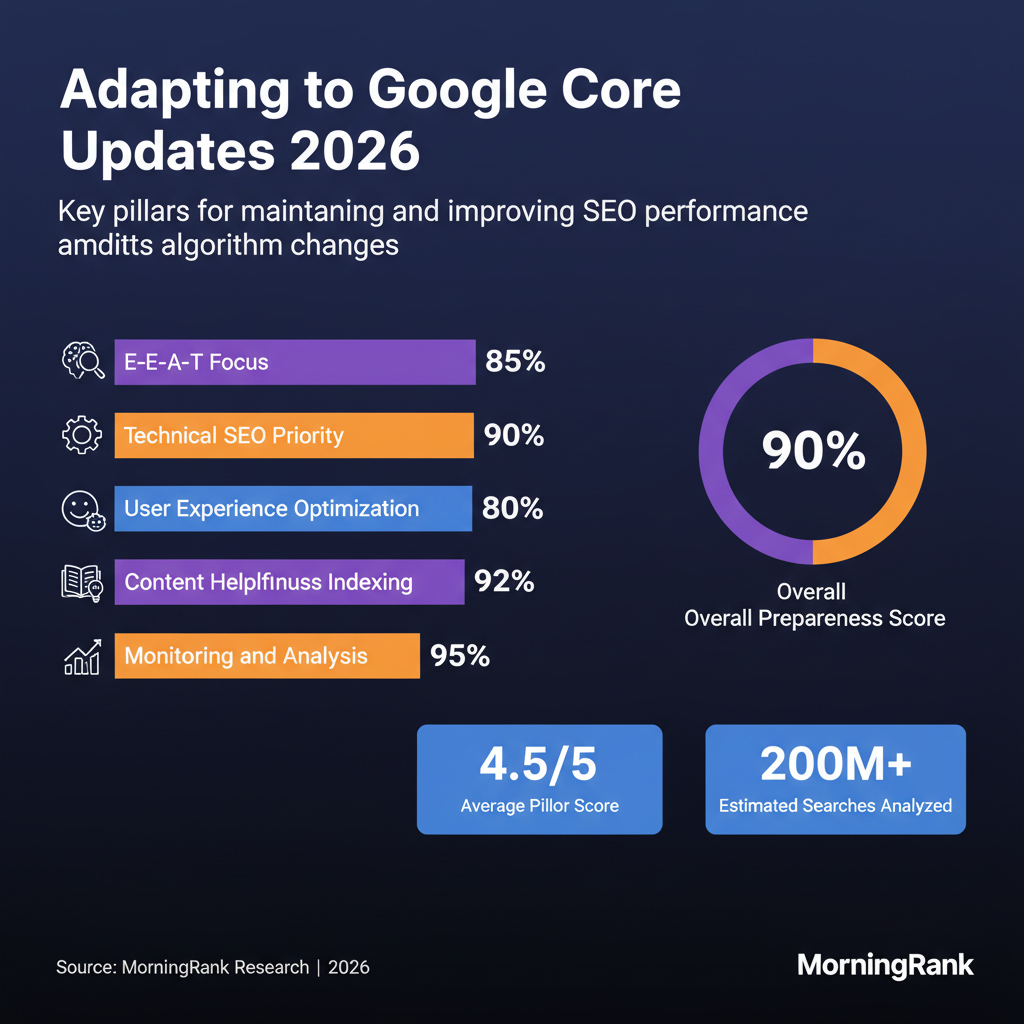
Google core algorithm updates are fundamental, broad changes to Google's overall ranking processes, designed to improve the quality and relevance of search results globally. Adapting to these updates requires a holistic SEO strategy centered on delivering exceptional user experience, demonstrating strong E-E-A-T (Experience, Expertise, Authoritativeness, and Trustworthiness), and maintaining technical site health.
Key Takeaways
- Google core algorithm updates aim to enhance search quality by re-evaluating ranking signals across the board.
- Agencies must pivot from short-term tactics to long-term strategies focused on E-E-A-T, user experience, and technical SEO.
- Continuous monitoring of keyword rankings and traffic shifts is crucial to identify and diagnose the impact of updates.
- Proactive content quality improvements and site optimization are more effective than reactive fixes after an update hits.
- Utilizing robust SEO tools for diagnostics and strategic planning is essential for sustained performance.
As a technical SEO lead, I've audited countless sites impacted by Google's ever-evolving algorithms. The SEO landscape in 2026 demands more than just staying informed about Google core algorithm updatesit requires a proactive and adaptable strategy. These updates are Google's way of refining how content is evaluated and ranked, often leading to significant shifts in search engine results pages (SERPs). Understanding their nature and developing a resilient SEO framework is paramount for agencies and local businesses aiming for consistent organic visibility.
This article will delve into what Google core algorithm updates entail, how they impact search performance, and most importantly, the actionable strategies you can implement to not only survive but thrive in this dynamic environment. We'll cover how to diagnose impacts, prioritize E-E-A-T, optimize for user experience, and leverage technical excellence to future-proof your SEO efforts against upcoming core rollouts.
What are Google Core Algorithm Updates and Why Do They Matter?
Google core algorithm updates are broad enhancements to Google's search ranking algorithms, rather than specific, targeted fixes. They often involve re-evaluating how existing ranking signals are weighed and interpreted across the entire web. Unlike smaller, more frequent updates (which might address specific spam issues or integrate minor feature changes), core updates can lead to noticeable shifts in rankings across many websites, affecting traffic and revenue outcomes.
These updates matter significantly because they represent Google's ongoing commitment to delivering the most relevant, reliable, and high-quality search results to its users. For SEO professionals, this means keeping pace with Google’s evolving definition of quality. Historically, major core updates have often signaled a renewed focus on certain aspects, such as E-E-A-T (Experience, Expertise, Authoritativeness, and Trustworthiness)user experience, or content helpfulness. For example, Google's Helpful Content Systempart of several core updates, directly targets content that isn't primarily created to help users.
In my experience, agencies that treat SEO as a continuous improvement process, rather than a one-time fix, are best prepared for these fluctuations. Instead of chasing specific algorithm changes, focus on building genuinely valuable websites that adhere to Google's overarching guidelines for quality and user satisfaction. Research by Search Engine Journal indicates that sites seeing significant ranking drops often share common technical or content quality issues, highlighting the importance of foundational SEO practices.
How Can Agencies Diagnose the Impact of a Core Update?
Diagnosing the impact of a Google core algorithm update requires a systematic approach involving diligent tracking and analysis. The first sign is typically a noticeable fluctuation in organic traffic and keyword rankings. It is crucial to have robust analytics in place to monitor these metrics accurately.
Step 1: Monitor Google Analytics & Search Console
Google Analytics: Keep a close eye on organic traffic patterns. Look for significant drops or spikes that coincide with the announcement or observed rollout period of a core update. Analyze traffic by landing page, device, and geographical location to pinpoint specific areas of impact. A sudden, sustained dip across a broad range of pages, rather than isolated anomalies, often signals a core update impact.
Google Search Console: This is your primary diagnostic tool.
- Performance Report: Filter data by date range to align with the core update rollout. Compare impressions, clicks, CTR, and average position before and after the update. Look for trends across queries, pages, and countries. A significant decline in average position for a high volume of key terms is a strong indicator.
- Indexing Report: Check for any changes in indexed pages or crawl errors, though these are less directly linked to core algorithm ranking changes unless the update also involved technical indexing adjustments.
- Core Web Vitals Report: While not directly a core update, poor Core Web Vitals can contribute to a site being viewed less favorably, especially as UX becomes a stronger ranking signal. Monitor these scores diligently.
Step 2: Analyze Keyword Ranking Shifts
Leverage third-party SEO tools (e.g., Semrush, Ahrefs, Moz) to track keyword rankings.
- Broad Ranking Drops: Identify if a wide array of keywords, particularly those that were previously ranking well, have experienced significant drops. This indicates a broad algorithmic re-evaluation rather than a localized issue.
- SERP Volatility: Many SEO tools provide a "SERP Volatility" index. High volatility around the time of an update suggests that Google is actively re-shuffling the search results.
- Competitor Analysis: Observe if competitors have seen similar drops or, conversely, have gained rankings for the same keywords. This helps contextualize your site's performance within the market.
Step 3: Content Audit and Quality Assessment
If you've identified a negative impact, the next step is a deep dive into your content.
- Identify Affected Pages: Group pages that have seen the most significant drops in organic traffic and rankings.
- Re-evaluate E-E-A-T: For these pages, critically assess their Experience, Expertise, Authoritativeness, and Trustworthiness.
- Experience: Does the content demonstrate firsthand experience with the topic? Is it practical and insightful?
- Expertise: Is the writer (or source) demonstrably knowledgeable about the subject? Are credentials or experience clearly indicated?
- Authoritativeness: Is the site or author widely recognized as a go-to source for this information? Are there strong backlinks from authoritative sites?
- Trustworthiness: Is the information accurate, transparent, and unbiased? Is personal information protected? Are sources cited correctly?
- Helpful Content Guidelines: Review affected content against Google's Helpful Content System. Is the content truly user-first? Does it provide unique value? Is it excessively keyword-stuffed or designed primarily for search engines?
Step 4: Technical SEO Audit
While core updates primarily focus on content quality, underlying technical issues can hinder even the best content from ranking.
- Crawlability & Indexability: Ensure search engines can access and index your important content. Check your robots.txt file, sitemap, and 'noindex' tags.
- Site Speed & Core Web Vitals: Poor loading times and a bad user experience can negatively impact rankings. Use PageSpeed Insights to identify and fix issues.
- Mobile-Friendliness: With mobile-first indexing, a responsive and fast mobile experience is non-negotiable.
- Structured Data: Ensure your structured data is correctly implemented to help Google understand your content better.

Future-Proofing Your SEO: Strategies for Sustained Success
The best defense against algorithm updates is a strong, proactive offense. Instead of constantly reacting, agencies should embed these principles into their ongoing SEO strategy.
Prioritize E-E-A-T Above All Else
E-E-A-T is not just a buzzword; it's a foundational pillar of Google's approach to quality. For agencies managing client sites, demonstrating E-E-A-T requires a multi-faceted approach.
- Author Bylines and Biographies: Ensure all content creators have clear, demonstrable expertise. Include author boxes with qualifications, relevant experience, and links to their professional profiles (LinkedIn, academic publications, etc.).
- Cite Reputable Sources: For factual claims, link out to high-authority, trustworthy sources. This builds both expertise and trustworthiness.
- Original Research and Data: Investing in original research, case studies, or proprietary data elevates a site's authority and expertise significantly. This is invaluable, especially in competitive niches.
- User-Generated Content (UGC) & Reviews: For businesses, allowing and encouraging genuine customer reviews and testimonials enhances trust. Respond to reviews promptly and professionally.
- Build a Strong Brand Presence: A recognizable and respected brand naturally accrues higher E-E-A-T. This involves consistent branding, thought leadership, and off-site mentions.
Obsess Over User Experience (UX)
Google's ultimate goal is to serve users the best possible experience. SEO and UX are inextricably linked.
- Intuitive Navigation: Users should be able to find what they need quickly and easily. A clear site structure, search functionality, and internal linking are crucial.
- Mobile Responsiveness: Ensure the site functions flawlessly and looks great on all devices. Test rigorously across different screen sizes and operating systems.
- Fast Loading Times: Optimize images, leverage browser caching, and consider a Content Delivery Network (CDN) to ensure pages load swiftly. Regularly check Core Web Vitals.
- Engaging Content Presentation: Use clear headings, bullet points, images, videos, and interactive elements to make content easy to digest and engaging. Avoid large blocks of text.
- Minimize Intrusive Ads: While ads are often necessary, overly intrusive pop-ups or interstitial ads that hinder the user experience can be detrimental.
- Accessibility: Ensure your website is accessible to all users, including those with disabilities. This is not just good practice but can also influence how Google perceives your site's quality.
Embrace Content Helpfulness and Value
Google's Helpful Content System emphasizes creating content for people, not just for search engines.
- Address User Intent: Understand what users are truly looking for when they type a query. Provide comprehensive, accurate, and actionable answers.
- Originality and Depth: Avoid thinly veiled rehashes of existing content. Offer fresh perspectives, deeper insights, or more thorough explanations.
- Demonstrate Value: Does your content genuinely help, inform, or entertain the user? Would a real person find it useful?
- Regular Updates: Keep content fresh and accurate. Outdated information can quickly diminish a page's helpfulness and trustworthiness.
- Avoid AI Over-Reliance Without Human Oversight: While AI tools can assist with content generation, ensure human expertise, editing, and fact-checking are central to the publishing process. Google values human-created, high-quality content.
Maintain Technical SEO Excellence
Just as a strong foundation is crucial for any building, robust technical SEO underpins all other efforts.
- Crawl Budget Optimization: Ensure Googlebot can efficiently crawl your site, especially larger ones. Prioritize important pages and fix crawl errors.
- URL Structure: Use clean, descriptive URLs that reflect content hierarchy.
- Schema Markup: Implement relevant schema types (e.g., HowTo, FAQPage, Product) to provide Google with more context about your content.
- HTTPS: Secure your site with HTTPS; it's a basic ranking signal and builds trust.
- Duplicate Content Management: Use canonical tags, 301 redirects, and consistent internal linking to manage duplicate content effectively.
- Image Optimization: Compress images without sacrificing quality and use descriptive alt text.
Build a Strong and Diverse Backlink Profile
While link building has evolved, high-quality, relevant backlinks remain a significant ranking factor.
- Earned Links: Focus on creating content so valuable that other authoritative sites naturally want to link to it.
- Guest Posting (Strategic): When done genuinely and for audience value (not just links), guest posting on relevant, reputable sites can build authority.
- Broken Link Building: Find broken links on authoritative sites and suggest your relevant content as a replacement.
- Digital PR: Develop relationships with journalists and publications to secure media mentions and links.
- Monitor Link Profile: Regularly check your backlink profile for spammy or low-quality links that could harm your site and disavow them if necessary.
Frequently Asked Questions
How often do Google core algorithm updates happen?
Google typically releases several broad core algorithm updates each year, usually a few months apart. They also make numerous smaller, unannounced updates on an ongoing basis. Major core updates are often announced on social media and the Google Search Status Dashboard.
Do I need to do anything specific when an update is announced?
No, Google's advice for core updates is not to do anything specific. Instead, their recommendation is to focus on creating the best possible content you can. If you see a ranking drop, it's not usually about fixing a specific technical issue introduced by Google, but rather an indication that your content or site is no longer seen as providing the highest value compared to competitors according to their refined algorithms.
What's the difference between a core update and other Google updates?
Core updates are broad, global changes to Google's ranking algorithms, affecting many search results across various niches. Other updates might be specific to certain elements (like reviews, spam, or local search) or are more minor, routine adjustments to how ranking systems work. Core updates are less about fixing specific problems and more about refining Google's overall understanding of quality.
How long does it take to recover from a negative impact?
Recovery time can vary significantly. Some sites see recovery in subsequent core updates (months later), especially if they've made substantial improvements to content quality and E-E-A-T. Others may see gradual improvement over time as new content is published and site authority is rebuilt. There's no guaranteed timeline, but consistent, high-quality effort is key.
Should I rewrite all my content if I'm negatively impacted?
Not necessarily. Start by identifying the pages most affected and carefully audit them for E-E-A-T and helpfulness. Focus on improving, expanding, and optimizing existing content that has potential. Consider consolidating thin content or removing truly unhelpful pages. A full rewrite might be necessary for severely underperforming or low-quality content, but prioritize based on impact and potential for improvement.
Can Google core updates affect local businesses differently?
While core updates are global, they can indirectly affect local businesses. If the core update re-evaluates the authority or trustworthiness of websites, and a local business's site or content doesn't meet these new benchmarks, their ranking in general organic search results (which can influence local pack visibility) could still be impacted. Local updates, which are separate, specifically target local search ranking factors.
What role do user signals play in core updates?
While Google doesn't directly use metrics like bounce rate or time on page as direct ranking factors, they are indicators of user satisfaction and can indirectly influence how Google perceives content quality. If users consistently bounce from a page or spend very little time there, it suggests the content might not be meeting their needs, which could be a factor in future algorithmic evaluations of content helpfulness and user experience.
Navigating the ever-evolving landscape of Google's algorithms doesn't have to be a game of whack-a-mole. By focusing on fundamental principles, delivering an exceptional user experience, demonstrating undeniable E-E-A-T, and maintaining a robust technical foundation, agencies can build resilient SEO strategies that not only withstand core algorithm updates but consistently drive superior organic performance for their clients. Proactive optimization and a relentless commitment to quality are the ultimate keys to success in SEO, ensuring your clients thrive regardless of the next big update.
Want this kind of insight every week?
MorningRank delivers daily rank tracking, AI SEO recommendations, and white label client reporting.