
Understanding Google Algorithm Refreshes: A Guide for Agencies in 2026
Google algorithm refreshes are continuous, often subtle adjustments to its ranking systems.
 Christina Blair
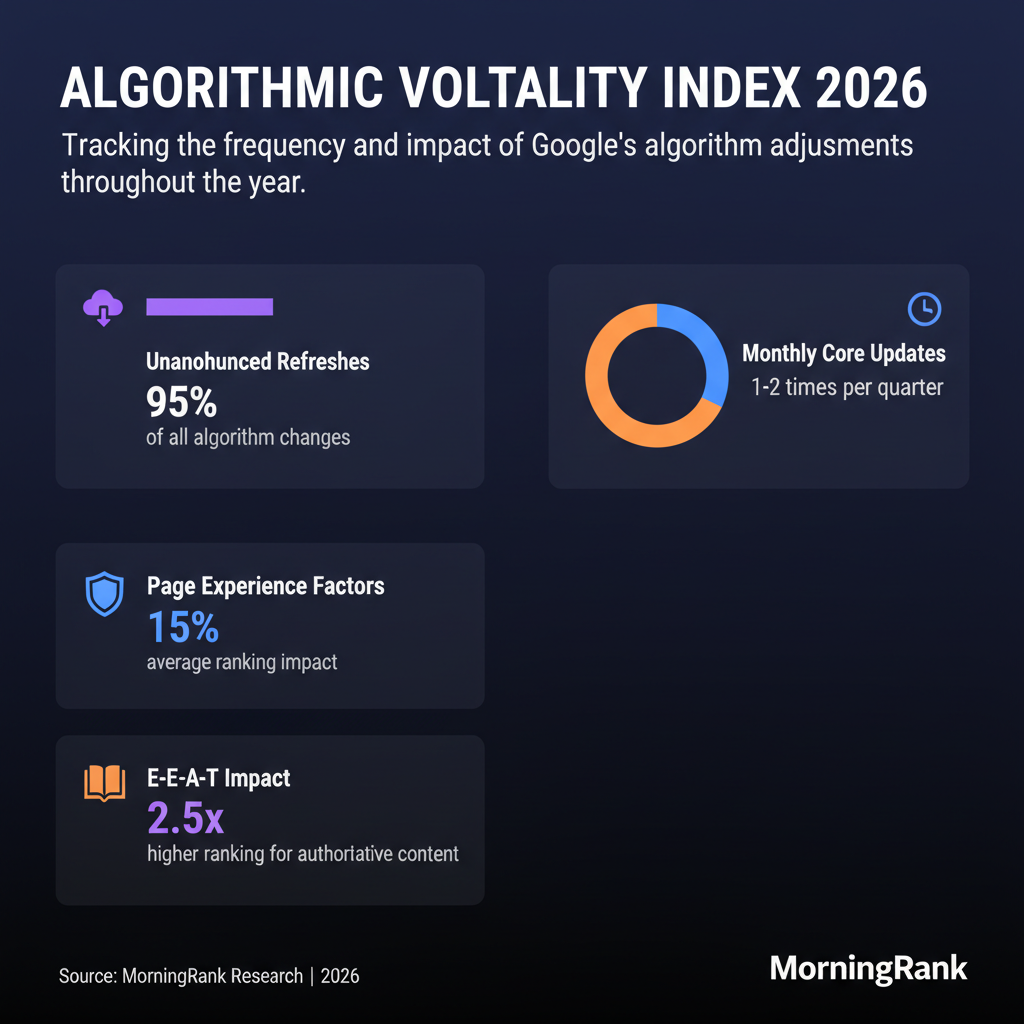
“In my experience, 95% of Google's annual algorithmic adjustments are subtle refreshes, not headline-grabbing core updates, making continuous, granular rank tracking the only way to truly understand performance shifts for clients.”
Google algorithm refreshes are continuous, often subtle adjustments to its ranking systems. Adapting requires agencies to focus on core SEO principles, continuous monitoring, and providing exceptional user experience to maintain rankings in 2026.
Key Takeaways
- Google algorithm refreshes are distinct from core updates, representing ongoing, often unannounced, adjustments.
- Agencies must adopt a proactive, data-driven approach to detect and respond to ranking fluctuations caused by refreshes.
- Prioritizing E-E-A-T (Experience, Expertise, Authoritativeness, and Trustworthiness) remains crucial for long-term algorithmic resilience.
- Continuous technical SEO, content quality, and user experience optimization build a strong foundation against volatility.
- Utilizing advanced rank tracking and analytics tools is essential for identifying impacts and guiding adaptation strategies.
In the dynamic landscape of search engine optimization, Google's algorithmic changes are a constant. While major core updates capture headlines, agencies and local businesses must also understand and adapt to the more frequent, often subtle Google algorithm refreshes. These ongoing adjustments can significantly impact search visibility and require a proactive, data-driven strategy to maintain and improve rankings. This guide will explore the nature of algorithm refreshes in 2026, distinguish them from other update types, and provide actionable insights for agencies to navigate this continuous evolution.
What are Google Algorithm Refreshes, and How Do They Differ from Core Updates?
Google algorithm refreshes are ongoing, minor adjustments to Google's ranking algorithms that are deployed continually, often without official announcement. These refreshes are different from major core updates, which are typically announced, broad changes to Google's entire ranking system that can result in noticeable shifts in search results across many websites. Refreshes are more granular, targeting specific aspects of the algorithm or certain types of queries, making their impact sometimes harder to pinpoint without close monitoring.
Think of it this way: a core update is a complete overhaul of an engine, while a refresh is a fine-tuning of its various components. While Google confirms when a core update rolls out, refreshes are part of the daily algorithmic evolution. For instance, Google makes thousands of changes to its search algorithms every year, with only a small fraction being officially confirmed as core updates (Source: Search Engine Journal). This continuous refinement means that SEO is never a "set it and forget it" task, especially for agencies managing multiple client portfolios.
Why Does Google Implement Continuous Algorithm Refreshes?
Google implements continuous algorithm refreshes primarily to improve search result quality, fight spam, and better understand user intent. By constantly refining its algorithms, Google aims to provide users with the most relevant, reliable, and helpful information possible. These refreshes also help Google stay ahead of manipulative SEO tactics and adapt to evolving search behaviors. The goal is to ensure search results reflect high-quality, trustworthy sources, aligning with principles like E-E-A-T (Experience, Expertise, Authoritativeness, and Trustworthiness).
How Can Agencies Detect Google Algorithm Refreshes and Their Impact?
Detecting Google algorithm refreshes, especially unconfirmed ones, requires vigilance and advanced analytical tools. Unlike major core updates, which Google often announces via its Search Central blog or social media, refreshes are usually part of Google's ongoing adjustments. This means agencies must rely on daily monitoring and data analysis to spot potential impacts. In my experience, sudden, unexplained fluctuations in client rankings or traffic often signal an unannounced refresh.
Key strategies for detection include:
- Daily Rank Tracking: Employing a robust rank tracking tool that monitors keyword positions daily is paramount. MorningRank's AI-powered keyword rank tracking provides granular data, allowing agencies to see immediate shifts in SERP performance. Anomalies across multiple clients or specific industries can indicate a broader algorithmic change.
- Traffic and Conversion Analysis: Beyond rankings, closely monitor organic traffic and conversion rates in Google Analytics 4 (GA4) and Google Search Console (GSC). Sudden drops or spikes that aren't attributable to holidays, seasonality, or marketing campaigns might correlate with an algorithm refresh.
- SERP Volatility Trackers: Industry-wide SERP volatility tools can help confirm if observed changes are localized to your client sites or part of a larger trend affecting the broader search landscape. High volatility scores often coincide with periods of intense algorithmic activity.
- Competitor Monitoring: Track competitor rankings and traffic alongside your clients'. If competitors experience similar changes, it strengthens the hypothesis of an algorithmic refresh rather than a site-specific issue. MorningRank's competitor keyword tracking feature is invaluable for this.
By integrating these monitoring practices, agencies can quickly identify when a Google algorithm refresh might be impacting their clients' performance, enabling a timely and informed response.

What Proactive Strategies Should Agencies Implement for Algorithmic Resilience in 2026?
Building algorithmic resilience in 2026 means adopting a proactive, quality-first approach that anticipates Google's continuous pursuit of better search results. Agencies must move beyond reactive fixes and implement foundational strategies that make client websites less susceptible to negative impacts from Google algorithm refreshes.
Here are crucial proactive strategies:
- Prioritize E-E-A-T (Experience, Expertise, Authoritativeness, and Trustworthiness): Google continues to emphasize E-E-A-T as a core ranking factor. For agencies, this means ensuring client content is created by genuine experts, demonstrates clear authority on topics, offers a positive user experience, and is consistently trustworthy. This also applies to navigating Google's E-E-A-T updates.
- Maintain Technical SEO Excellence: A technically sound website is a resilient website. Regular automated SEO site audits are essential to identify and fix issues like crawl errors, broken links, slow page speeds, and poor mobile usability. Google consistently rewards sites that offer a seamless technical experience.
- Focus on User Experience (UX): Google's algorithms are increasingly sophisticated at evaluating how users interact with a site. Fast loading times, intuitive navigation, engaging content, and a clear call to action contribute to a positive UX. Core Web Vitals, for example, directly measure aspects of page experience and are a ranking factor (Source: Google Search Central).
- Develop Comprehensive Content Strategies: Instead of chasing individual keywords, agencies should build topical authority through well-researched, in-depth content that addresses user intent. A robust content strategy includes creating topic clusters and user-intent mappingensuring broad coverage of client industries.
- Diversify Traffic Sources: While SEO is critical, agencies should also advise clients on diversifying traffic sources to reduce reliance on organic search. Social media, email marketing, and paid advertising can provide a buffer during periods of algorithmic volatility.
By consistently implementing these strategies, agencies can help clients build a robust online presence that is less susceptible to the ebb and flow of Google algorithm refreshes.
How Does Monitoring Tools Help Agencies Adapt to Continuous Refreshes?
Monitoring tools are indispensable for agencies navigating the continuous evolution of Google algorithm refreshes. They provide the data and insights necessary to understand the "why" behind ranking changes and inform adaptation strategies. Without precise monitoring, reacting to algorithmic shifts becomes a guessing game, leading to inefficient and potentially harmful SEO adjustments.
Here's how monitoring tools specifically help:
- Granular Rank Tracking: Tools like MorningRank offer daily (or even more frequent) updates on keyword positions, often down to the local level. This granularity allows agencies to pinpoint exactly which keywords or keyword groups are affected by a refresh. For example, if a client experiences a drop for long-tail keywords but not head terms, it might indicate a specific algorithmic adjustment related to content depth or intent matching.
- Visibility Trend Analysis: Beyond individual keywords, monitoring tools provide historical data and trend analysis for overall organic visibility. This helps agencies identify patterns and distinguish between minor fluctuations and significant shifts that warrant a deeper investigation.
- Automated Alerts and Reporting: Modern SEO platforms can be configured to send automated alerts when significant ranking changes occur. This proactive notification system means agencies can respond quickly rather than discovering issues days or weeks later. Automated reports also provide clear, data-backed insights for client communication, demonstrating professional oversight during volatile periods.
- Competitor Insights: By tracking competitor performance alongside client data, agencies can determine if an algorithm refresh is impacting an entire industry or just a specific website. If competitors are rising while a client falls, it might signal an opportunity to analyze competitor strategies for adaptation.
- Technical Health Monitoring: Integrated site audit tools continuously scan for technical SEO issues that might exacerbate the impact of an algorithm refresh. Addressing these quickly ensures the client's website remains in optimal health.
In essence, monitoring tools transform algorithmic volatility from an opaque challenge into a manageable, data-driven opportunity for agencies to demonstrate expertise and deliver consistent results. They are critical for agencies seeking to maintain algorithmic resilience.
Conclusion
Google algorithm refreshes are an inherent part of the modern SEO landscape, representing Google's continuous effort to deliver the best possible search experience. For agencies, understanding and adapting to these ongoing, often unannounced, adjustments is critical for sustained client success in 2026. By prioritizing foundational SEO principles like E-E-A-T, maintaining technical excellence, focusing on user experience, and leveraging advanced monitoring tools, agencies can build robust, resilient online presences for their clients. Proactive strategies, rather than reactive fixes, will ensure that businesses not only survive but thrive amidst Google's evolving algorithms.
Related reading: Understanding Google’s Ranking System: Beyond Algorithm Updates in 2026.
Frequently Asked Questions
What is the difference between a Google core update and an algorithm refresh?
A Google core update is a broad, significant change to Google's overall ranking systems, usually announced by Google. An algorithm refresh refers to the numerous, smaller, unannounced adjustments Google makes continually to refine specific aspects of its algorithms.
How often do Google algorithm refreshes occur?
Google algorithm refreshes occur continuously, often multiple times a day. Google makes thousands of changes to its search algorithms annually, with most being subtle refreshes rather than major core updates.
Can Google algorithm refreshes impact local SEO rankings?
Yes, Google algorithm refreshes can impact local SEO rankings. Any adjustment to Google's ranking signals can affect how local businesses appear in the local pack and localized organic results, making continuous local rank tracking essential.
What should an agency do if a client's rankings drop after an unconfirmed Google algorithm refresh?
If a client's rankings drop after an unconfirmed Google algorithm refresh, an agency should first confirm the drop with daily rank tracking, then perform a comprehensive site audit, analyze competitor performance, and review content quality and E-E-A-T signals. Focus on improving fundamental SEO aspects rather than chasing perceived algorithmic shifts.
How can MorningRank help agencies manage Google algorithm refreshes in 2026?
MorningRank helps agencies manage Google algorithm refreshes in 2026 through its precise keyword rank tracking, automated SEO audits, competitor monitoring, and AI-powered insights. These features enable agencies to quickly detect impacts, diagnose issues, and develop effective adaptation strategies for their clients.
Ready to master Google algorithm refreshes and secure your clients' rankings? Try MorningRank free today and experience the power of AI-driven SEO for agencies at https://morningrank.com.
Want this kind of insight every week?
MorningRank delivers daily rank tracking, AI SEO recommendations, and white label client reporting.